
The sea in everyday life
The beach and waterfront walks can become part of your routine. Walk the actual route from the property to the water and check crossings, gradients, surfaces and beach access.
Discover the city
A home near the sea, walks along the waterfront and your own pace of life. Explore Alanya, its neighbourhoods and what to consider before choosing an apartment.
The city and its character
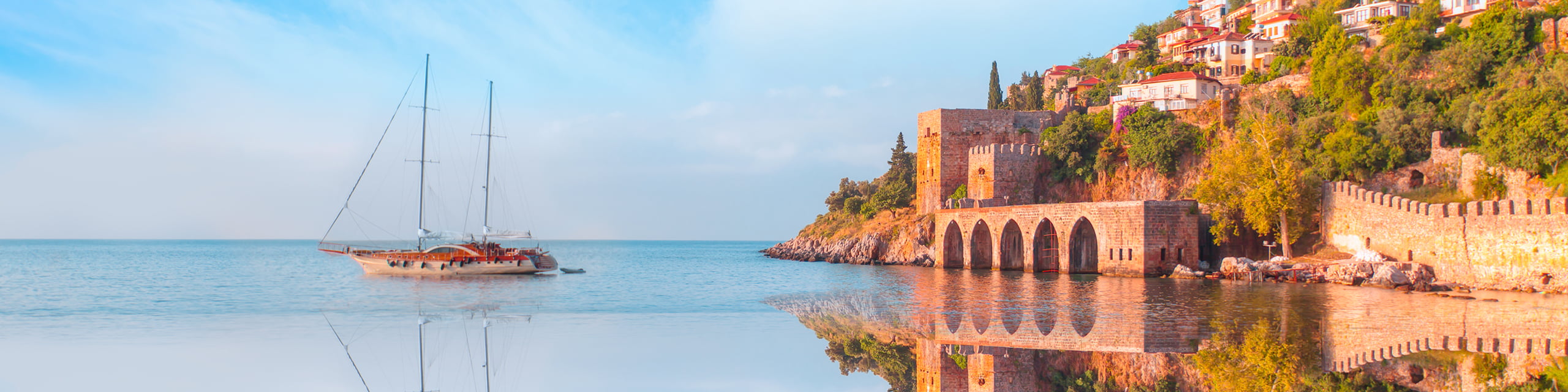
Alanya is on Turkey’s Mediterranean coast, in Antalya province, at the foot of the Taurus Mountains. The historic peninsula and its castle are distinctive landmarks, with residential neighbourhoods and resort areas extending along the coast.
Alanya can combine everyday city life with time by the sea: shopping, working, meeting friends and taking an evening walk along the waterfront. Your experience depends on the exact location. A lively promenade, an inland street and a hillside complex offer very different routines.
Geography: Antalya provincial administration.
The beach and waterfront walks can become part of your routine. Walk the actual route from the property to the water and check crossings, gradients, surfaces and beach access.
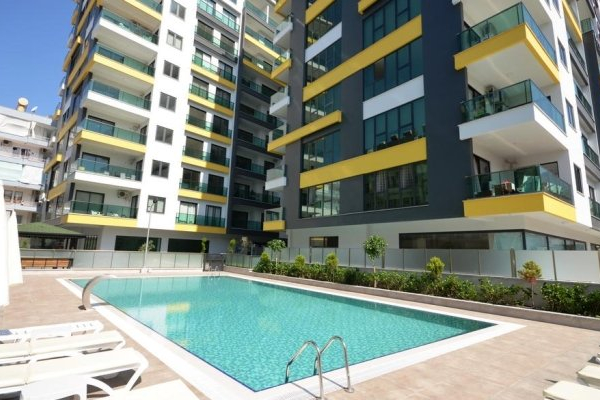
Choose between apartments in town and complexes with pools and sports facilities. Assess facilities alongside maintenance charges and the rules for using them.

Alanya is home to residents from many countries. A familiar language community can ease the first steps, while learning Turkish helps with everyday matters.

Historic sites, markets, cafés and public events offer different ways to spend your time. Choose a neighbourhood around the activities and routes that matter to you.
The municipality reports on the New Alanyans association and the involvement of international residents in city life. This is one aspect of the local community; everyone’s experience of settling in is different. Read more on the municipality website.
Moving and longer stays
A holiday shows only part of the city. For permanent living, consider comfort in different seasons, access to services and daily travel. Before buying, map out an ordinary day.
In summer, consider heat, humidity, shade and air conditioning. In winter, check heating, ventilation and protection from damp. Ask about windows, the roof and any history of leaks, and inspect walls and corners. A sea view does not replace building checks.
Walk to the shops, pharmacy and public transport. Check the route in the evening and while carrying shopping. For hillside homes, consider how practical daily life would be without a car.
Contact suitable schools in advance to check teaching language, admissions and travel. Assess healthcare access against the specialists you need, communication preferences and your insurance cover.
For remote work, check internet availability at the exact address and mobile reception inside the apartment. Look for activities, communities and places where you would feel comfortable meeting people.
Busy summer streets, nearby music, traffic and seasonal changes in opening hours may affect daily life. Visit your chosen neighbourhood during the day and evening. If you plan to spend winter here, explore outside the summer season where possible.

From the city to an exact address
Start with your habits: walking, driving into town, access to schools and preference for a smaller building or a complex with facilities. The area narrows the search; the final choice depends on the street, building and apartment.
A starting point for buyers who want city life close by. Compare walking routes, noise, parking and building condition on different streets.
Property in the centre →Compare beach proximity with access to everyday services. Coastal and inland addresses involve different routes.
Apartments in Oba →Look beyond the complex to the surrounding streets: beach access, shops, neighbouring plots and traffic outside the building.
Apartments in Mahmutlar →Compare exact locations near the coast and towards the Dim River. Check the surroundings, walking routes and transport to the places you need.
Kestel → Tosmur →For panoramic homes, gradients and road access are especially important. Consider whether you would need a car for shopping and beach trips.
Property in Kargicak →Check the route from the complex to the beach and whether the services you need operate during your intended stay. Consider the distance to central Alanya.
Property in Avsallar →Your own home by the sea
Your own apartment gives you a familiar place to return to, furnish to your taste and use for longer stays. For relocation, everyday practicality matters; for seasonal holidays, consider access and care while the home is empty. If you intend to let it, assess returns and the legal requirements for that rental type separately.
Prioritise everyday services, comfort in winter and summer, documents and the full relocation budget. A view is a benefit when the home itself fits your lifestyle.
Assess airport access, complex management, entry arrangements and support while you are away. Some costs continue even when the apartment is empty.
The asking price alone does not show the owner’s total expenses. Compare properties alongside confirmed charges for the particular building. More about apartment running costs in Turkey.
If buying as part of a move, check your family’s residence requirements in advance. The property transaction and the immigration decision are separate procedures. Help with residence permit questions.
Start with several neighbourhoods rather than a long apartment list. Spend time in each, walk your everyday routes and compare them. Then shortlist homes where location, budget and housing type come together.
For your trip, consider Gazipasa–Alanya Airport and Antalya Airport. Compare current flights and the full journey to your address. Transfer time depends on the airport, area, route and traffic. Gazipasa–Alanya Airport transport information.
Maxhome Invest has worked in property since 2010. Tell us why you are buying, who will live in the apartment and what matters to you. We will start with suitable locations.
A Maxhome Invest guide. Updated 8 September 2026. Practical housing guidance is distinguished from official information; sources for geography, community life and transport are linked in the relevant sections.